How to Build Situational Awareness: The Skill That Keeps Cops Alive
Dec 31, 2025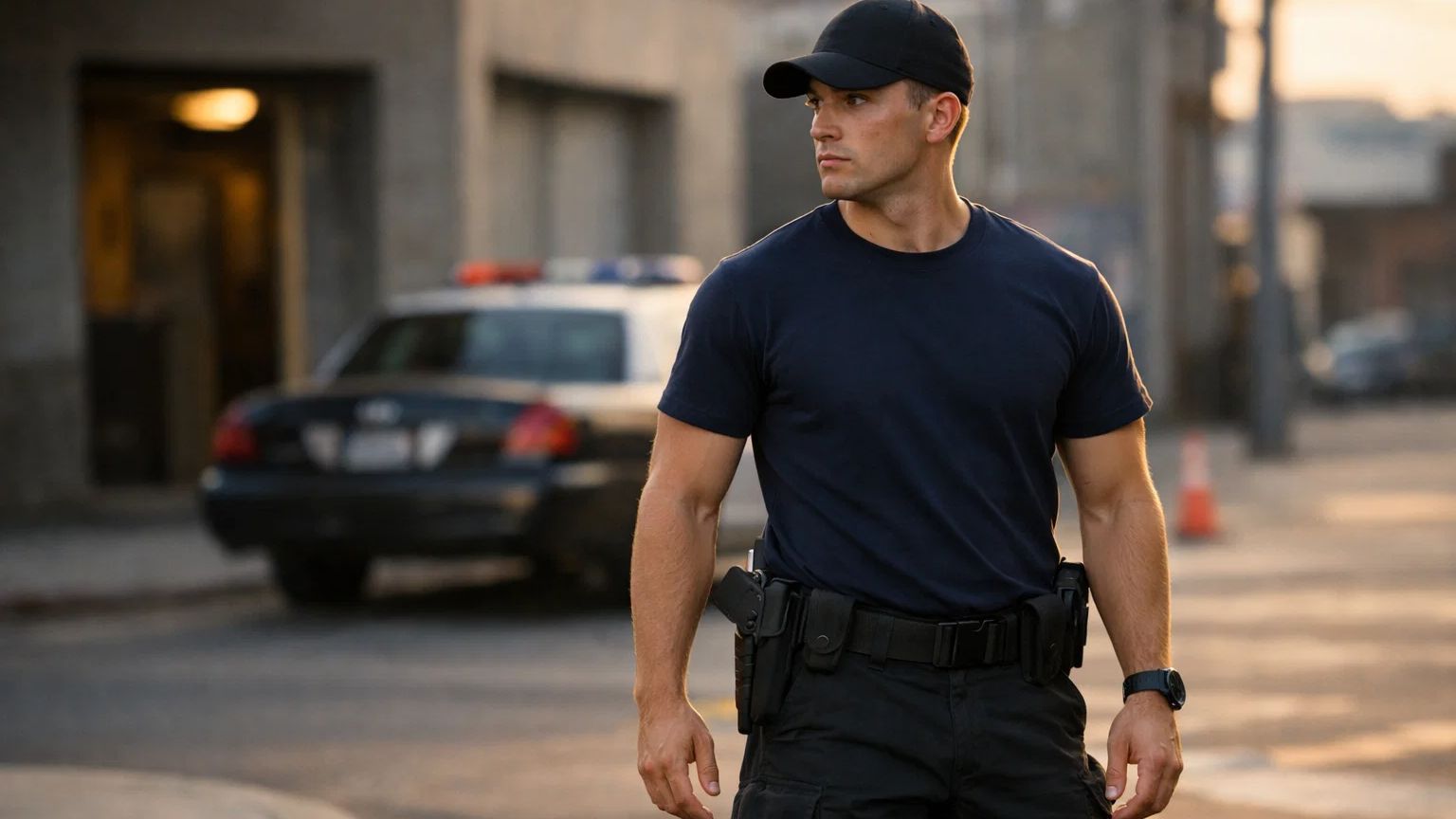
The most dangerous thing on the street isn’t what you see—it’s what you don’t. Situational awareness isn’t just a buzzword in police work—it’s survival. The faster you can read your environment, the better you can respond, react, and stay ahead of the threat.
Think of situational awareness like a radar system. It’s constantly scanning your surroundings, picking up subtle cues, body language, sounds, movements—anything that doesn’t feel right. And just like radar, if you’re not tuned in, you won’t catch the danger until it’s too late. In this blog, we’ll break down how to sharpen your senses, trust your gut, and make situational awareness part of your daily patrol mindset.
1. Keep Your Head on a Swivel—Literally and Mentally
It’s not just a saying—it’s a survival tactic. Good officers don’t fixate on one thing for too long. They’re always observing: hands, exits, shadows, windows, bystanders. Whether you’re walking into a house or approaching a traffic stop, your eyes should be scanning, not locked in.
But it’s not just about looking—it’s about seeing. Are people acting nervous? Are they watching you too closely—or not at all? Did the tone in a conversation suddenly shift? Your brain should be running background checks on everything you observe.
Tip: Play the “what’s out of place?” game when walking into a new space.
Example: Recruits trained in observation drills identified potential threats 45% faster during scenario tests, according to the National Law Enforcement Training Center.
“Complacency kills. Stay alert, stay alive.” — Every academy instructor ever
2. Trust the Gut—but Back It Up With Training
That “weird feeling” you get? It’s your subconscious picking up on danger before your brain catches up. Experienced officers often describe gut instincts that saved their lives. But instincts are trained, not magic.
To develop that sixth sense, expose yourself to realistic scenarios. Use roleplays, review body cam footage, and mentally rehearse “what would I do if…” situations. The more patterns you’ve seen, the faster your brain flags something that feels off.
Tip: Debrief after every call—even the “boring” ones. What did you notice? What did you miss?
Example: Officers who regularly used post-shift mental debriefs improved threat recognition skills by 35%, according to a 2022 law enforcement psychology review.
“The body always knows before the mind does.” — Carolyn Myss
3. Avoid Tunnel Vision—Especially Under Stress
In high-adrenaline situations, your vision narrows, your hearing fades, and your focus locks onto the biggest threat. That’s natural—but dangerous. Tunnel vision can cause you to miss other weapons, backup, or people in need of help.
Combat this by training in stressful environments. Practice scanning during physical exertion, like after running sprints or during force-on-force scenarios. Teach your brain to stay wide even when your heart’s racing.
Tip: In high-stress drills, force yourself to name three objects or people around you to keep your awareness broad.
Example: A study from the Force Science Institute showed that tactical scanning reduced decision-making errors by 42% in simulated crisis situations.
“Train for chaos so you can think in it.” — Lt. Col. Dave Grossman
Final Word
Situational awareness is a skill, not a superpower. Train it, trust it, and use it every shift. It’s what turns a good officer into a sharp one—and it could be the reason you go home at the end of the day.
Have a Question or Need Help?
Use the form below to reach out with any questions about our programs, services, or support. We’ll get back to you as soon as possible.
We hate SPAM. We will never sell your information, for any reason.