How to Handle Criticism in the Police Academy: Turn Feedback Into Growth
Mar 18, 2026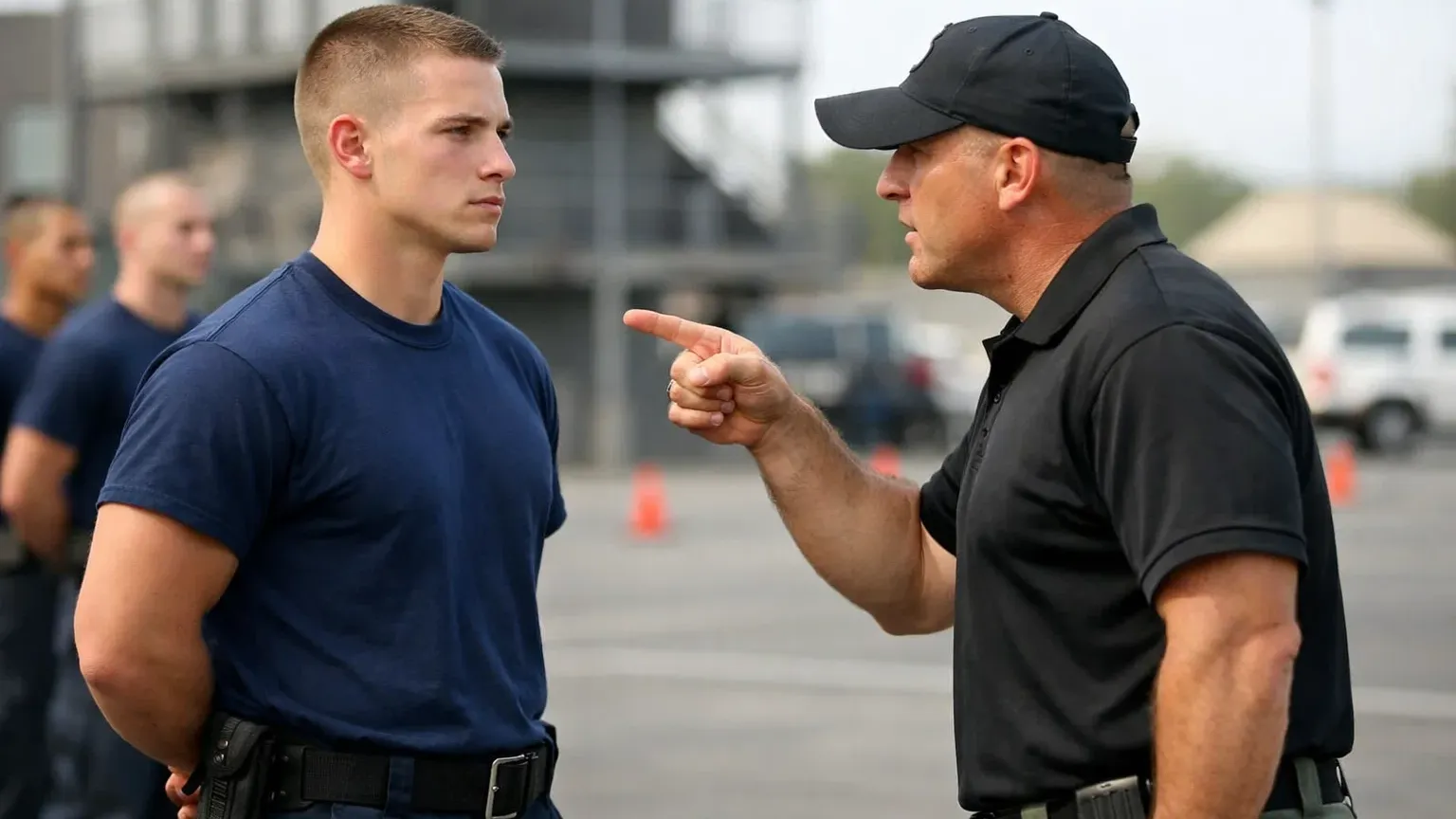
In the academy, you’re going to get corrected—a lot. Sometimes it’s calm and constructive. Other times, it’s loud, direct, and in front of everyone. If you’re not ready for it, criticism can hit hard. But here’s the truth: it’s not there to break you—it’s there to build you.
Think of criticism like a sharpening stone. It’s rough, uncomfortable, and sometimes frustrating—but it refines your edge. Every correction is a chance to improve, tighten your skills, and become the kind of officer who can handle pressure without cracking. In this blog, we’ll break down how to take criticism the right way, grow from it, and use it to your advantage.
1. Don’t Take It Personally—Take It Professionally
This is the biggest mental shift you need to make. Instructors aren’t attacking you—they’re correcting behavior. In a high-stakes profession, mistakes can’t slide. So feedback is often blunt, immediate, and repeated until it sticks.
If you take it personally, you’ll get defensive. And once that happens, you stop learning. Instead, separate your identity from the correction. You’re not being told you are the problem—you’re being shown how to fix one.
Stay composed. Listen fully. A simple “Yes, sir/ma’am” and immediate adjustment shows maturity and professionalism.
Tip: Replace “Why are they picking on me?” with “What can I fix right now?”
Example: Recruits who responded calmly to correction were rated significantly higher in coachability and adaptability during academy evaluations.
“Criticism, like rain, should be gentle enough to nourish a man’s growth without destroying his roots.” — Frank A. Clark
2. Apply It Immediately—That’s What They’re Watching
Hearing feedback is one thing. Applying it right away? That’s what separates strong recruits from struggling ones. Instructors pay close attention to whether you correct mistakes on the next rep—not next week.
If you’re told to fix your stance, your tone, or your report format, show the adjustment immediately. That tells instructors you’re paying attention, taking it seriously, and capable of growth under pressure.
Remember, the academy isn’t grading perfection—it’s grading progress.
Tip: After every correction, mentally repeat the fix before your next attempt.
Example: Training evaluations show recruits who corrected mistakes within the next repetition improved performance scores by over 35%.
“We do not learn from experience… we learn from reflecting on experience.” — John Dewey
3. Build a Thick Skin—And a Sharp Mind
Let’s be real—some days, the feedback won’t come gently. Stress, repetition, and high standards can make corrections feel intense. That’s by design. Policing requires emotional control under pressure, and this is where you build it.
Developing a thick skin doesn’t mean ignoring feedback—it means not letting it shake your confidence. Stay focused. Stay grounded. Let the noise roll off, but hold onto the lesson.
Over time, you’ll notice something shift: what once felt overwhelming starts to feel like routine growth.
Tip: After a tough day, write down one correction you received and how you improved it.
Example: Recruits who practiced daily reflection handled high-pressure evaluations more effectively and showed greater confidence by graduation.
“It’s not what happens to you, but how you react to it that matters.” — Epictetus
Final Word
Criticism in the academy isn’t a setback—it’s a shortcut to getting better. The faster you accept it, apply it, and grow from it, the stronger you’ll become. Stay humble, stay focused, and remember: every correction is shaping you into the officer you’re working to become.
Have a Question or Need Help?
Use the form below to reach out with any questions about our programs, services, or support. We’ll get back to you as soon as possible.
We hate SPAM. We will never sell your information, for any reason.