Learning to Stay Calm During Traffic Stops: Confidence Starts at the Window
May 06, 2026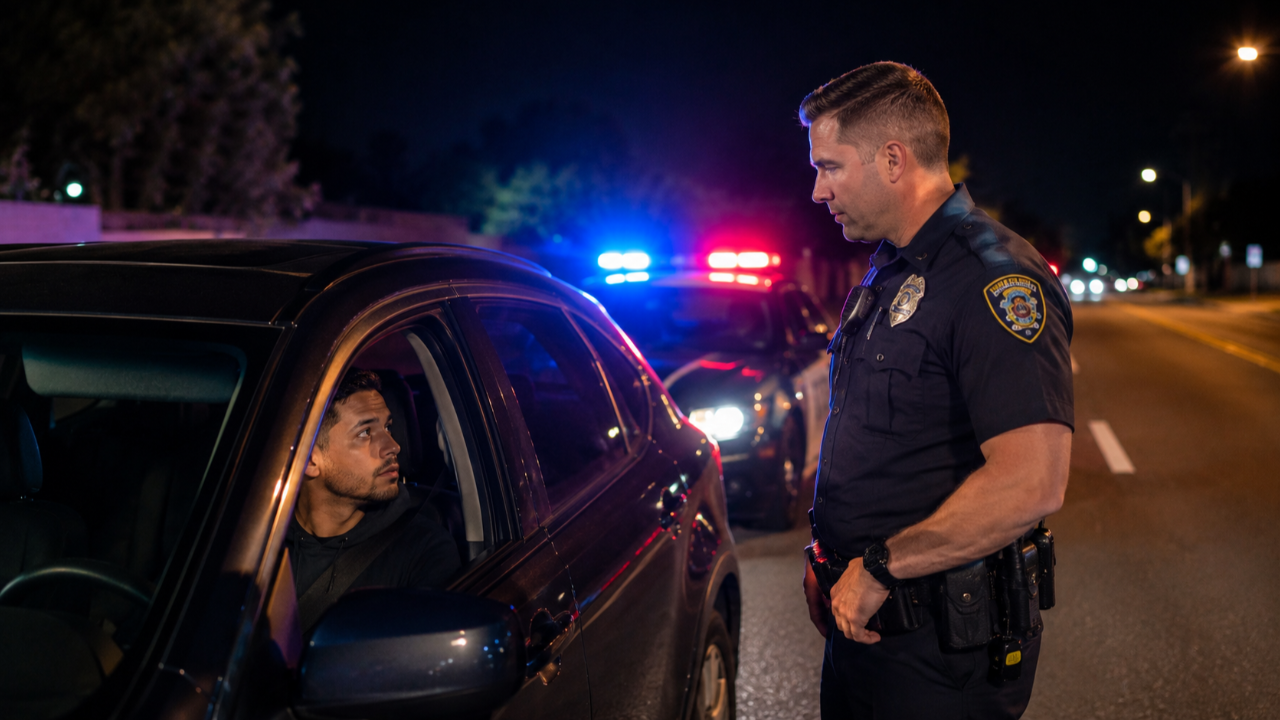
Traffic stops are one of the most common things officers do—and one of the most unpredictable. A simple speeding ticket can turn into a felony arrest in seconds. That’s why staying calm, alert, and professional during every stop is critical from day one.
Think of a traffic stop like approaching a closed door in the dark. You don’t know exactly what’s waiting on the other side, but your training, awareness, and composure guide every step. The goal isn’t fear—it’s controlled caution. In this blog, we’ll break down how future officers can develop calm, confident habits that lead to safer and smarter traffic stops.
1. Slow Down Before You Step Out
One of the biggest mistakes rookies make is rushing. Adrenaline kicks in, the lights are flashing, and suddenly everything feels urgent. But experienced officers know the key is slowing your mind down before making contact.
Take a moment after stopping the vehicle. Observe. Look at the occupants, movement inside the car, and surrounding environment. Call in the stop clearly. Position your patrol vehicle properly. A few extra seconds of preparation can dramatically improve officer safety.
Calm officers notice more. Rushed officers miss details.
Tip: Before exiting your vehicle, take one deep breath and do a quick visual scan of the car and occupants.
Example: Officers trained in pre-contact observation identified potential threats earlier during simulated traffic stops, according to academy scenario studies.
“Slow is smooth, and smooth is fast.” — Tactical training principle
2. Your Voice Sets the Tone
The way you speak during a traffic stop matters more than most people realize. A calm, respectful introduction immediately lowers tension and establishes professionalism. People take cues from your tone—if you sound aggressive or anxious, the encounter often follows that energy.
Speak clearly and confidently. Give simple instructions. Avoid escalating language or unnecessary attitude. Most drivers are nervous already; your professionalism helps keep the stop controlled.
Command presence isn’t about intimidation—it’s about calm authority.
Tip: Practice introducing yourself and explaining the stop in a steady, conversational tone.
Example: Departments that emphasized communication training during stops reported fewer citizen complaints and improved compliance rates.
“People may forget your words, but they will remember how you made them feel.” — Maya Angelou
3. Stay Alert Without Becoming Paranoid
There’s a balance every officer must learn: staying aware without becoming overly tense. Not every stop is dangerous—but every stop has potential risk. Strong officers stay mentally engaged without letting fear cloud judgment.
Watch hands. Notice sudden movements. Stay aware of passengers and surroundings. At the same time, don’t let suspicion override professionalism. Treat people respectfully while maintaining tactical awareness.
Preparedness and professionalism work together—not against each other.
Tip: Develop the habit of scanning hands first during every contact—they often tell the story before words do.
Example: Traffic stop safety reviews consistently identify awareness of hand movement as one of the most important officer safety habits.
“Complacency kills.” — Law enforcement safety mantra
Final Word
Traffic stops aren’t routine just because they happen often. Every stop demands awareness, professionalism, and control. Slow yourself down, communicate clearly, and stay alert without losing your composure. The officers who master calm under pressure are the ones who stay safest—and serve best.
Have a Question or Need Help?
Use the form below to reach out with any questions about our programs, services, or support. We’ll get back to you as soon as possible.
We hate SPAM. We will never sell your information, for any reason.