Police Night Shift Preparation: How to Train Your Body for an Unpredictable Schedule
Oct 28, 2026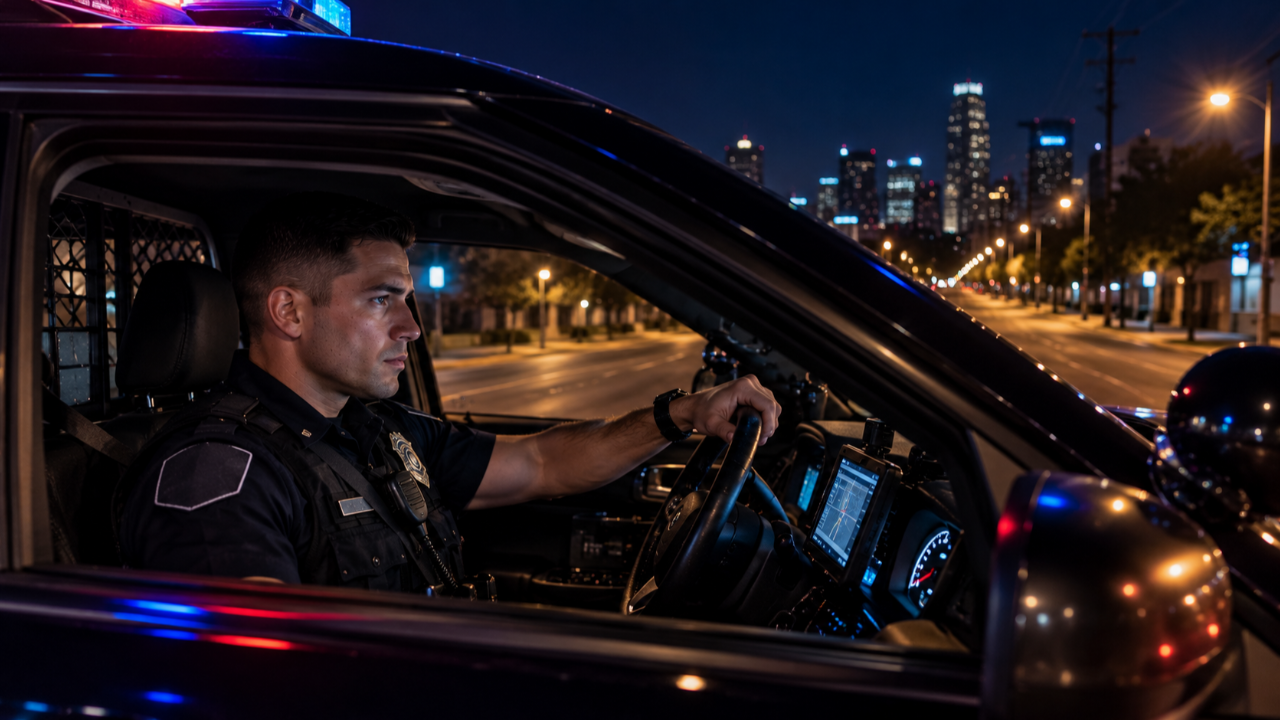
You can prepare for the police academy by running miles, studying criminal law, and practicing interview questions. But there's one challenge that often catches new officers off guard: working when the rest of the world is asleep. Midnight shifts, rotating schedules, and unexpected overtime can test your energy, concentration, and patience in ways that physical training alone cannot prepare you for.
Think of your body like a clock that's been carefully programmed over years of daily routines. When you suddenly change the schedule, the hands don't automatically move into place. Your internal clock needs time to adjust, and forcing it to operate against its natural rhythm can leave you exhausted. Learning how sleep, light exposure, and daily habits affect your performance can help you prepare for the realities of a law enforcement career.
1. Understand Why Night Shifts Feel So Difficult
Ever wonder why staying awake all night feels harder than staying awake all day, even when you've had plenty of sleep?
The answer involves your circadian rhythm, your body's internal timing system. This biological clock helps regulate sleep, alertness, body temperature, and other important functions. It responds strongly to light and darkness, which is why most people naturally feel more alert during the day and sleepier at night.
When you begin working overnight, your work schedule may conflict with that internal rhythm. You might struggle to stay alert during the early morning hours, then find it surprisingly difficult to fall asleep after returning home.
For police officers, fatigue is more than an inconvenience. It can affect attention, reaction time, judgment, and communication—all abilities that matter during routine duties and unexpected emergencies.
Research from the National Institute for Occupational Safety and Health (NIOSH) identifies shift work and long work hours as important contributors to fatigue and sleep disruption.
Tip: Before entering law enforcement, establish consistent sleep habits and learn how your energy levels change throughout the day. Avoid deliberately depriving yourself of sleep to simulate night shifts.
Example: A recruit who regularly sleeps only five hours may already be struggling with fatigue before starting a demanding schedule. Building a reliable sleep routine now creates a healthier foundation for future shift work.
"Sleep is the golden chain that ties health and our bodies together." — Thomas Dekker
2. Build a Sleep Environment That Works During the Day
Sleeping during daylight hours can feel like trying to relax in the middle of a busy shopping mall. Sunlight enters the room, neighbors mow their lawns, delivery drivers ring the doorbell, and the rest of the household continues its normal routine.
That's why successful night-shift recovery often begins with your sleeping environment.
A dark, quiet, comfortably cool bedroom can make daytime sleep easier. Blackout curtains, earplugs, or white noise may help reduce interruptions. It's also useful to communicate your sleeping schedule to family members or roommates so they understand that your daytime rest is just as important as someone else's nighttime sleep.
Light exposure deserves special attention. Bright light can promote alertness, while reducing unwanted light before sleep may help your body settle down. However, the best timing of light exposure depends on your schedule and circumstances.
The Centers for Disease Control and Prevention recommends that most adults ages 18–60 get at least seven hours of sleep per night. For shift workers, the important goal is obtaining sufficient, good-quality sleep even when it happens during unconventional hours.
Tip: Create a sleep-friendly bedroom before you need it. Install blackout curtains, reduce noise, and establish boundaries around uninterrupted rest.
Example: An officer finishing an overnight shift may benefit from going to a dark, quiet bedroom rather than staying awake for several additional hours watching television or scrolling through a phone.
"A good laugh and a long sleep are the best cures in the doctor's book." — Irish proverb
3. Learn to Manage Energy Without Relying on Caffeine Alone
Coffee can help you feel more alert, but it can't replace sleep. That's a lesson many new shift workers learn the hard way.
Caffeine temporarily reduces the sensation of sleepiness, making it useful for some people during demanding work periods. However, consuming it too close to your planned bedtime can make it harder to fall asleep and reduce sleep quality.
A better strategy combines adequate sleep, regular meals, hydration, appropriate physical activity, and thoughtful caffeine use.
Pay attention to when you eat, too. Heavy meals immediately before sleep may cause discomfort, while going through a long shift without eating can leave you feeling sluggish. Preparing balanced meals and snacks can help you avoid relying entirely on vending machines or fast food.
Most importantly, recognize the warning signs of serious fatigue. Repeated yawning, difficulty concentrating, drifting attention, and struggling to stay awake are signals that your performance may be impaired. If you're too sleepy to drive safely, don't assume caffeine or willpower will solve the problem. Follow workplace fatigue procedures and arrange a safer option.
Tip: Track your caffeine intake and avoid consuming it during the hours leading up to your planned sleep period. The appropriate cutoff varies by individual sensitivity.
Example: Instead of drinking several energy drinks near the end of an overnight shift, an officer might use caffeine earlier when appropriate, eat regularly, stay hydrated, and protect the sleep period that follows work.
"Take care of your body. It's the only place you have to live." — Jim Rohn
Final Word
Preparing for a police career means thinking beyond the academy and understanding the lifestyle that comes with the badge. Night shifts, rotating schedules, and unexpected overtime can challenge even the most motivated officers, but healthy habits can make those demands easier to manage.
Learn how your internal clock works. Protect your sleeping environment. Use caffeine thoughtfully, fuel your body properly, and take fatigue seriously.
You don't need to start staying awake all night to prove you're ready for police work. You need to build habits that support your health, judgment, and long-term performance.
The goal isn't simply to survive your future schedule. It's to remain alert, dependable, and capable of serving your community—regardless of what time your shift begins.
Have a Question or Need Help?
Use the form below to reach out with any questions about our programs, services, or support. We’ll get back to you as soon as possible.
We hate SPAM. We will never sell your information, for any reason.