Police Note-Taking: Why Your Notebook Could Make or Break a Case
Dec 24, 2025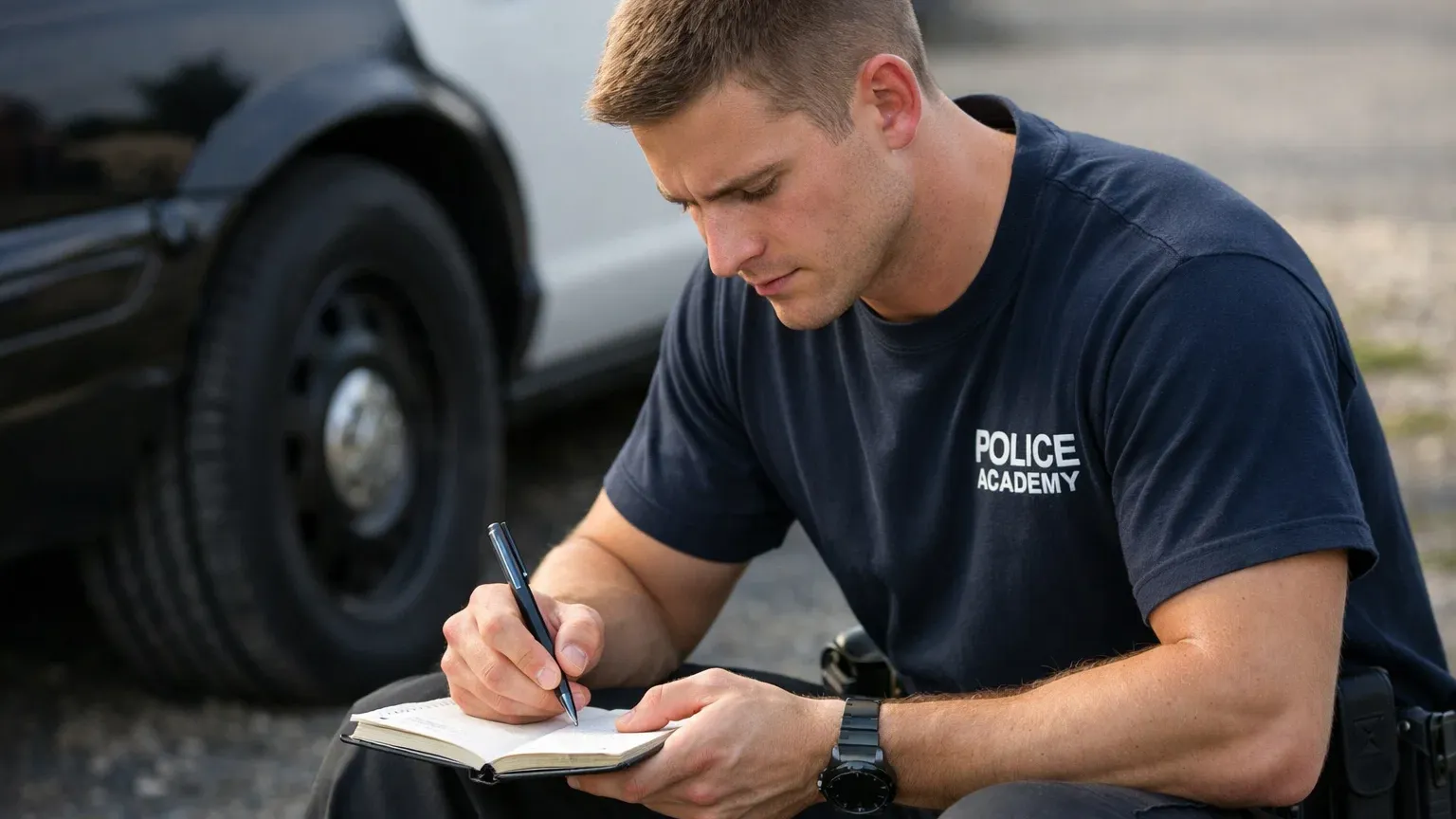
It may not be the flashiest tool on your belt, but your notebook is one of the most powerful. From your first days at the academy to your final report on the street, good note-taking is the habit that backs up your badge.
Think of your police notebook like your personal black box. When memory fades, stress clouds judgment, or court dates arrive months later—it’s your notes that set the record straight. Every traffic stop, every witness statement, every call for service can come back around. In this blog, we’ll show you how to build rock-solid note-taking habits that protect you, support your reports, and stand up in court.
1. Write Like It’s Going to Court—Because It Might
You’re not just taking notes for yourself—you’re creating a legal document. Anything you write down could be used in court, so clarity and accuracy are everything. That means no scribbles, no slang, and no assumptions.
Use simple, factual language. Record times, names, quotes, and locations with precision. If a suspect says something, write it exactly as they said it—with quotation marks. If you’re unsure about a detail, say so. Never guess.
Tip: Use abbreviations sparingly and only if they’re approved and understood by your department.
Example: Officers who consistently used clear, complete field notes had fewer report revisions and stronger courtroom credibility, according to a 2023 prosecutor survey.
“The faintest ink is better than the sharpest memory.” — Chinese proverb
2. Don’t Delay—Write It While It’s Fresh
Time kills memory. The longer you wait to document an incident, the more likely you are to forget key details—or mix them up. That’s dangerous in a job where accuracy can affect someone’s freedom or safety.
As soon as the scene is secure and safe, take out your notebook. Jot down observations, license plates, descriptions, and direct quotes immediately. Even just a few key words can help you reconstruct a scene later in your report.
Tip: Carry a backup pen and waterproof notebook—you’ll use them more than you think.
Example: Departments that emphasized “immediate note capture” during academy training saw a 35% improvement in report accuracy.
“If it’s not written down, it didn’t happen.” — Every field training officer ever
3. Organize Like a Professional
A notebook full of scattered notes won’t help anyone. Build the habit of organizing each entry by date, time, case number, and call type. Use headers to separate incidents and underline important facts like victim statements or evidence found.
Some officers use templates or shorthand systems—just make sure they’re consistent and understandable to others. If a supervisor or attorney flips through your notebook, they should be able to follow your thinking without needing a translator.
Tip: Leave a few blank pages at the back for quick-reference notes (common codes, addresses, etc.).
Example: Well-organized notebooks helped recruits pass report-writing evaluations 40% faster, according to Police Prep Insights.
“Organization isn’t about perfection—it’s about efficiency, reducing stress, and clarity.” — Christina Scalise
Final Word
Your notebook is more than a place to jot down details—it’s your memory, your backup, and sometimes, your best defense. Treat it like a legal tool, use it with precision, and let it speak for you when you can’t. Good notes make great officers.
Have a Question or Need Help?
Use the form below to reach out with any questions about our programs, services, or support. We’ll get back to you as soon as possible.
We hate SPAM. We will never sell your information, for any reason.