The Importance of Physical Recovery: Why Rest Is Part of Police Training
Aug 05, 2026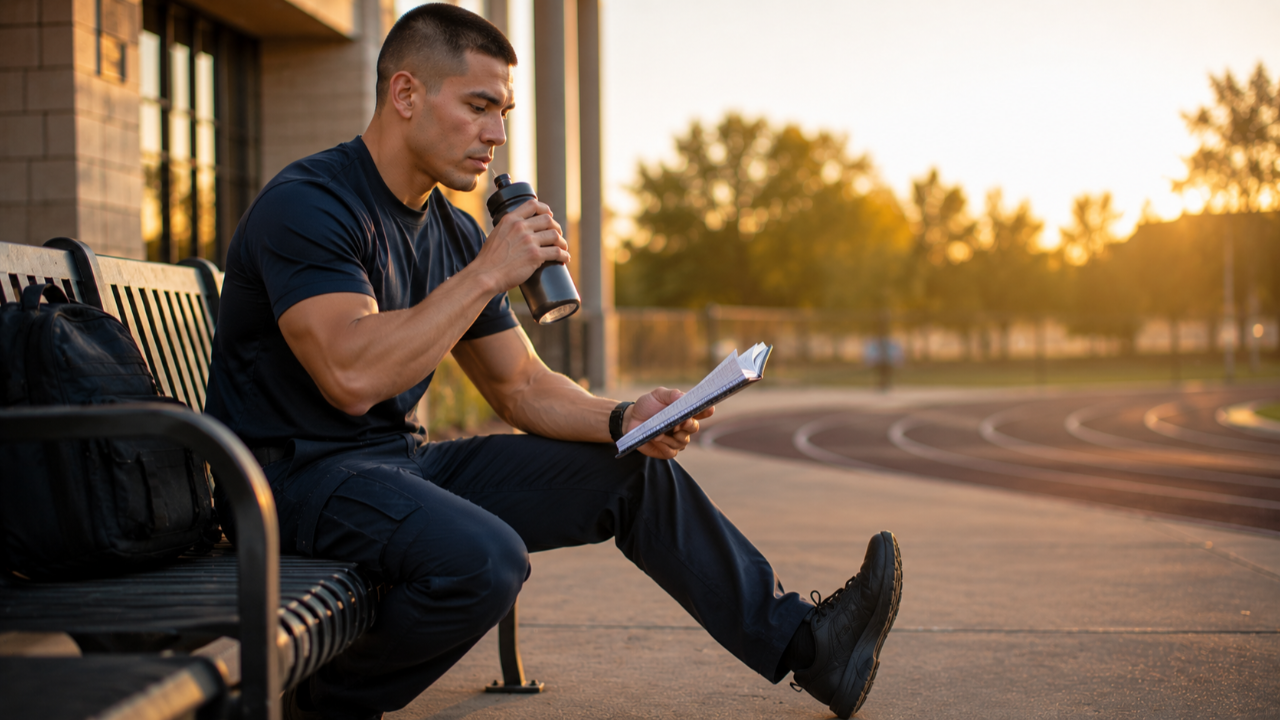
When people prepare for the police academy, they usually focus on running farther, lifting heavier, and pushing harder. But there's one part of training that's often overlooked: recovery. If you never give your body time to rebuild, your performance will eventually suffer—no matter how hard you work.
Think of your body like a patrol vehicle. You can drive it hard every day, but without regular maintenance, it'll eventually break down. Sleep, hydration, nutrition, and recovery aren't signs of weakness—they're what keep you operating at your best. In this blog, you'll learn why recovery is just as important as training and how it can help you perform better in the academy and throughout your law enforcement career.
1. Recovery Is Where Your Body Gets Stronger
Exercise challenges your muscles, but recovery is when they repair and grow. If you train hard every day without adequate rest, your body never has the opportunity to fully recover. That can lead to fatigue, slower progress, and a greater risk of injury.
Police academy training is demanding, often combining physical conditioning with long classroom hours and mental stress. Giving your body time to recover helps you return stronger for the next day's challenges.
The smartest recruits know that rest is part of the training plan—not a break from it.
Tip: Schedule at least one recovery day each week that includes light stretching, walking, or mobility work instead of intense exercise.
Example: Research in sports science consistently shows that adequate recovery improves strength gains, endurance, and overall athletic performance while reducing injury risk.
"Take care of your body. It's the only place you have to live." — Jim Rohn
2. Sleep Is Your Greatest Performance Tool
You can have the best workout program in the world, but without quality sleep, your body and mind won't perform at their best. Sleep improves memory, reaction time, decision-making, and physical recovery—all critical skills for future police officers.
During the academy, you'll be expected to learn large amounts of information while staying physically prepared. Consistent sleep helps your brain retain what you've learned and keeps your focus sharp under pressure.
Missing an hour of sleep every night may not seem like much, but over time, the effects add up.
Tip: Aim for seven to nine hours of sleep each night and maintain a consistent bedtime whenever possible.
Example: Studies have found that well-rested individuals demonstrate faster reaction times and better decision-making than those who are sleep-deprived.
"Sleep is the best meditation." — Dalai Lama
3. Fuel Your Body for Long-Term Success
Recovery doesn't stop when the workout ends. Your body needs proper hydration and balanced nutrition to repair muscles and restore energy levels. Skipping meals or relying on junk food may be convenient, but it leaves your body underprepared for demanding training.
Focus on eating lean protein, complex carbohydrates, healthy fats, fruits, and vegetables. Drink water consistently throughout the day instead of waiting until you're thirsty.
Good nutrition today supports better performance tomorrow.
Tip: Pack healthy snacks like fruit, nuts, or yogurt so you're less likely to rely on vending machines or fast food.
Example: Exercise physiology research shows that proper hydration alone can significantly improve physical performance and concentration during demanding activity.
"The food you eat can be either the safest and most powerful form of medicine or the slowest form of poison." — Ann Wigmore
Final Word
Preparing for the police academy isn't just about how hard you train—it's about how well you recover. Rest, sleep, and proper nutrition are essential parts of becoming stronger, faster, and more resilient. Train with intensity, recover with purpose, and remember that taking care of your body today is an investment in the officer you'll become tomorrow.
Have a Question or Need Help?
Use the form below to reach out with any questions about our programs, services, or support. We’ll get back to you as soon as possible.
We hate SPAM. We will never sell your information, for any reason.