Winning the First 60 Seconds: How to Make a Strong Impression at the Police Interview
Feb 18, 2026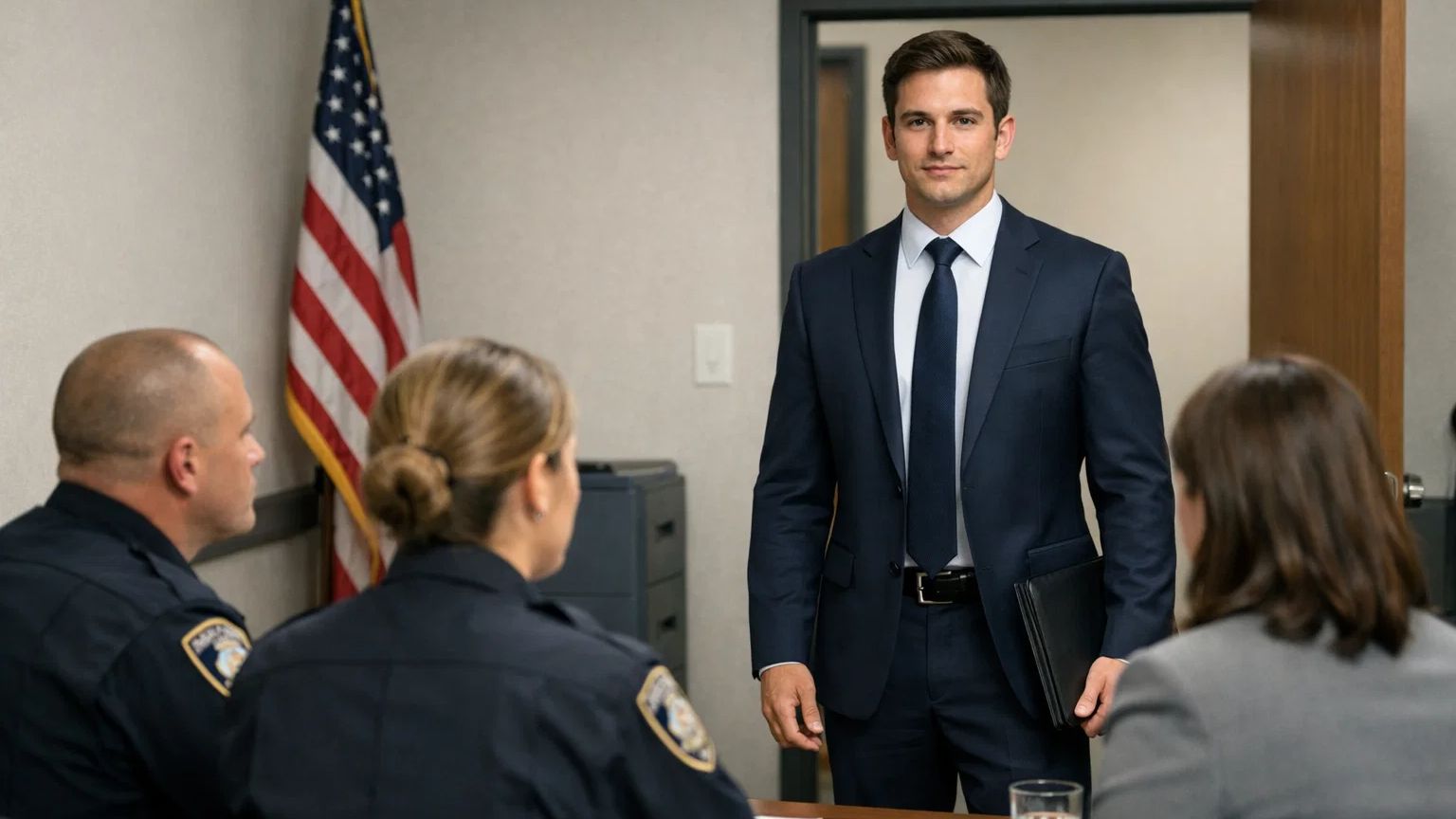
You can study for weeks, rehearse every answer, and polish your résumé—but the first 60 seconds of your police interview? That’s where the tone is set. Before you dive into policy knowledge or scenario questions, the panel is already forming an opinion.
Think of those first moments like stepping onto a stage. The spotlight hits, and without saying much, you’ve already communicated confidence—or doubt. Your posture, handshake, eye contact, and tone all send signals. In policing, first impressions matter because presence matters. In this blog, we’ll break down how to own those opening minutes and set yourself up for success.
1. Walk In Like You Belong There
The interview doesn’t start when you sit down—it starts when you walk into the building. From the front desk to the interview panel, everyone notices how you carry yourself. Slouched shoulders, nervous fidgeting, or rushed movements can signal anxiety. Calm, steady movement signals readiness.
Stand tall. Make eye contact. Offer a firm handshake. Introduce yourself clearly. These small details demonstrate command presence before you ever answer a question. Remember, departments want officers who can project calm authority. That begins the moment you enter the room.
Tip: Practice your entrance. Yes—literally rehearse walking in, greeting the panel, and sitting down.
Example: Candidates who practiced nonverbal communication in mock interviews scored 30% higher in professionalism ratings, according to public safety hiring data.
“Confidence comes from preparation.” — John Wooden
2. Control Your Voice, Control the Room
Nerves are normal—but how you manage them makes the difference. If your voice shakes, speeds up, or drops too low, it can undercut strong answers. A steady, measured tone communicates confidence and emotional control—two traits departments value highly.
Slow your pace slightly. Pause briefly before answering difficult questions. This shows thoughtfulness, not hesitation. Avoid filler words like “um” or “you know.” The goal isn’t perfection—it’s composure.
Tip: Record yourself answering practice questions and adjust your tone, pace, and clarity.
Example: Interview coaches report that slowing speech by just 10–15% significantly increases perceived confidence.
“Speak clearly, if you speak at all; carve every word before you let it fall.” — Oliver Wendell Holmes Sr.
3. Set the Tone With Your First Answer
Your first response is powerful. It tells the panel how you think, how you structure information, and whether you can stay composed under pressure. Many interviews begin with, “Tell us about yourself.” That’s not small talk—it’s your opportunity to frame your story.
Keep it professional and relevant. Highlight discipline, teamwork, service, and leadership experiences. Connect your background directly to law enforcement values. A focused, structured answer sets a strong foundation for everything that follows.
Tip: Prepare a 60–90 second professional summary that ties your experience to policing.
Example: Applicants who used structured responses like the STAR method consistently received higher clarity and organization scores in oral boards.
“Well begun is half done.” — Aristotle
Final Word
The first minute of your police interview won’t guarantee you the job—but it can absolutely set you apart. Walk in composed. Speak with clarity. Own your story from the first word. Because when you control the opening moments, you control the momentum. And momentum wins interviews.
Have a Question or Need Help?
Use the form below to reach out with any questions about our programs, services, or support. We’ll get back to you as soon as possible.
We hate SPAM. We will never sell your information, for any reason.